Office of the Future
What does an office look like when every employee has access to voice AI agents? We have been prototyping workflows to find out.
The Experiment
We spent a month running an internal experiment: every team at Deepgram Labs got access to custom voice agents that could handle common tasks. Scheduling, note-taking, code review summaries, customer research — all triggered by voice.
What Worked
Meeting prep agents. Before every meeting, an agent pulls relevant docs, summarizes recent activity, and briefs you in 30 seconds via audio. People loved this. It cut meeting ramp-up time significantly.
Voice-triggered deploys. "Deploy staging" became a spoken command. The agent handles the CI pipeline, runs checks, and reports back with a voice summary. Surprisingly satisfying.
Customer insight summaries. Sales calls get transcribed and summarized automatically. The agent extracts feature requests, pain points, and competitive mentions into a structured feed.
What Did Not Work
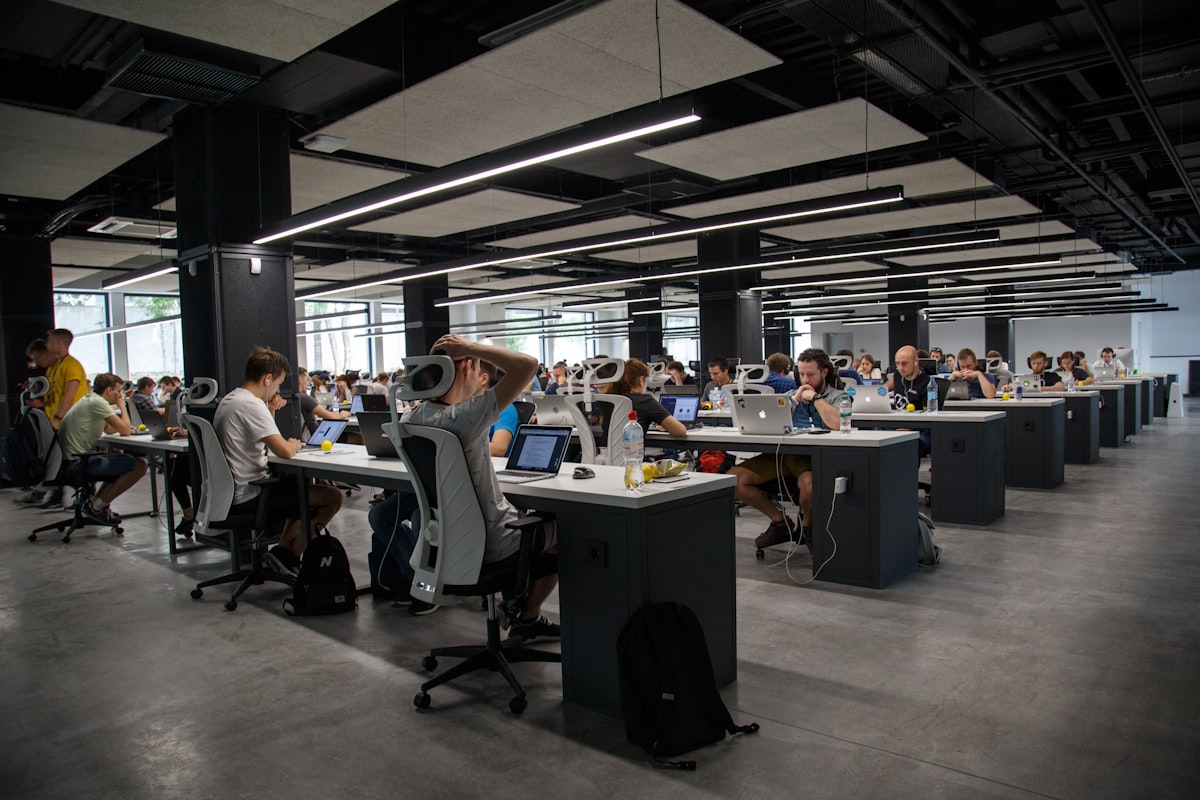
Ambient listening. We tried always-on agents that listen for keywords in open office spaces. It felt invasive. People preferred explicit activation — push-to-talk or a wake word in a private context.
Complex multi-step tasks. Agents are great at single-purpose tasks but struggle with workflows that require back-and-forth clarification. We are working on better conversational state management.
Takeaways
Voice AI in the workplace is not about replacing keyboards. It is about creating a parallel interface for tasks that are awkward to type but natural to speak. The best use cases are the ones where you are already talking — meetings, brainstorms, quick status checks.
We are publishing our agent configurations as open source templates. More on that soon.